Baltimore County's housing stock is dominated by 1940s–1970s construction: ranchers, split-levels, and Cape Cods on concrete block or poured foundations. The county sits on expansive clay soils that hold water and push it against foundation walls during wet seasons. Inner-ring suburbs like Dundalk and Essex have older block basements prone to seepage, while newer developments in the north struggle with poor drainage on compacted clay lots.
Service Area · Baltimore County, MD
Mold Remediation Across Baltimore County's Inner & Outer Suburbs
Baltimore County wraps around the city in a wide arc, and its housing tells two different stories. The inner suburbs — Towson, Catonsville, Pikesville, Dundalk — are full of mid-century ranchers and split-levels built on block foundations over Baltimore's heavy clay soil. The northern and western reaches — Reisterstown, Hereford, Sparks — shift toward larger lots, older farmhouses, and homes with stone foundations and wells. Both profiles create mold, but for different reasons, and the fix is never the same.
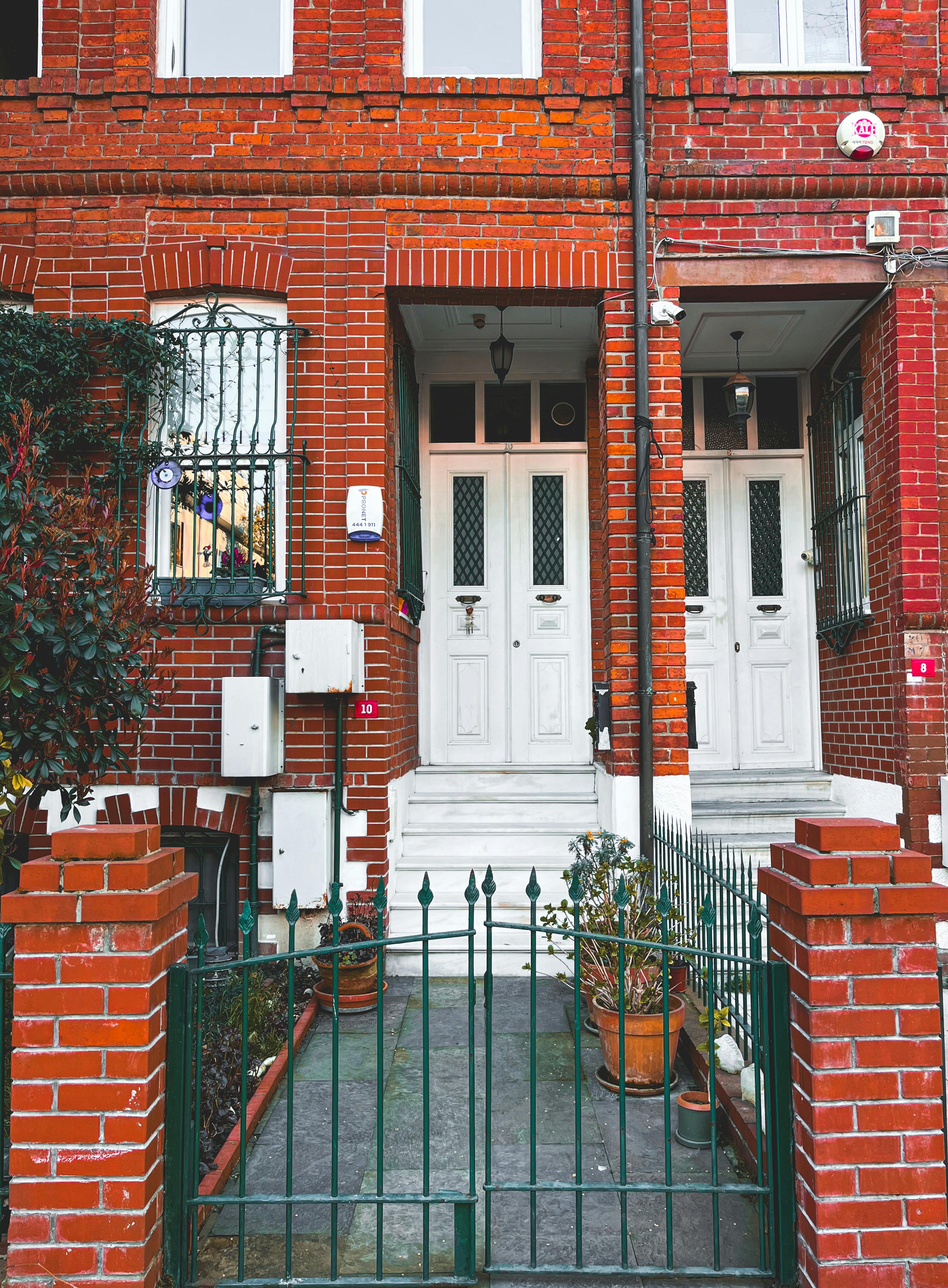
Regional housing profile
What Baltimore County's Housing Tells Us About Its Mold
Local moisture sources
Where the Water Comes From in Baltimore County
Mold follows moisture. These are the most common water-entry sources we find in homes across Baltimore County — and what each one means for the mold it produces.
| Moisture source | What it does locally |
|---|---|
| Clay soil hydrostatic pressure | Baltimore County's heavy clay holds water against foundation walls, driving seepage through block and poured concrete basements each spring and after storms. |
| Aging block foundations | Hollow concrete block foundations common in Dundalk, Essex, and Middle River wick moisture through the blocks and into finished basement walls. |
| Finished-basement condensation | Drywall installed against cool block walls in Towson and Catonsville homes traps condensation behind the finish, feeding hidden mold. |
| Well & septic moisture | Homes in the northern county on wells and septic systems see crawlspace and basement humidity from slow leaks and high water tables. |
Town-by-town
Mold Issues in the Towns We Serve Across Baltimore County
Towson
Finished split-level basements on clay lots; condensation behind drywall is the most common mold source.
Catonsville
Older homes near the Patapsco valley with stone and block foundations prone to seepage after heavy rain.
Pikesville
Mid-century ranchers with block basements; sump pump failures are a frequent mold trigger.
Dundalk & Essex
Working-class housing stock with aging block foundations and high water table near the Back River.
Reisterstown
Larger lots with mixed stone and block foundations; crawlspace humidity from clay drainage.
Our services
How We Help Homeowners in Baltimore County
Baltimore County
Request Your Baltimore County Mold Assessment
Tell us what you're seeing in your home and we'll take it from there.
Mold in Baltimore County — Frequently Asked Questions
Towson's split-levels and ranchers were built on heavy clay that holds water against the foundation. When finished basements put drywall directly against cool block walls, condensation forms behind the finish where it cannot dry. Mold grows in that hidden, damp gap long before it shows on the surface.
Yes. The block foundations in these older inner-ring communities wick groundwater, and the lots sit close to the high water table near the Back River. Seepage through block walls is a leading cause of mold in finished and unfinished basements here.
They can. Slow leaks in well plumbing, combined with crawlspace humidity and high seasonal water tables in the rural north, create damp conditions under the home. Crawlspaces in these areas often need encapsulation to stay dry.
Mold in Baltimore County won't wait.
Wherever you are in the county, the first step is finding the moisture source. Request your assessment today.
Request Your Assessment