
Carroll County's housing is dominated by older construction: farmhouses, stone-foundation homes, and mid-century builds in and around Westminster, Eldersburg, and Sykesville. Many properties are on wells and septic systems, and the rural water table runs high. Stone and old block foundations wick moisture continuously, and large older attics with poor ventilation grow mold on roof sheathing through the cold, humid winters.
Service Area · Carroll County, MD
Older Farmhouses, Stone Foundations, and Rural Water Tables
Carroll County is the most rural of the counties we serve, and its mold problems reflect that. The housing stock leans older — farmhouses, stone-foundation homes, and properties on wells and septic systems. Stone foundations wick groundwater, wells and septic systems add humidity, and the high rural water table keeps crawlspaces and basements damp. The result is a mold profile that is steady and structural rather than sudden, and that needs a different hand than the suburban counties.
Regional housing profile
What Carroll County's Housing Tells Us About Its Mold
Local moisture sources
Where the Water Comes From in Carroll County
Mold follows moisture. These are the most common water-entry sources we find in homes across Carroll County — and what each one means for the mold it produces.
| Moisture source | What it does locally |
|---|---|
| Stone foundation wicking | Older Carroll farmhouses with fieldstone foundations wick groundwater continuously, keeping basement walls damp and growing mold on finished surfaces. |
| Well & septic humidity | Rural properties on wells and septic systems add steady moisture to crawlspaces and basements from slow leaks and high water tables. |
| Rural high water table | Carroll's high seasonal water table keeps crawlspace ground damp year-round, feeding mold on floor joists. |
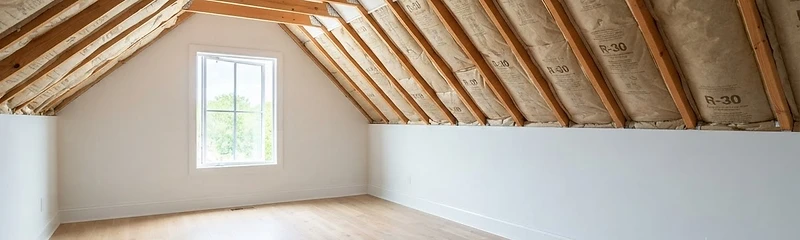
| Poorly ventilated attics | Large older attics with insufficient ventilation trap humid air; winter condensation grows mold on roof sheathing. |
Town-by-town
Mold Issues in the Towns We Serve Across Carroll County
Westminster
County seat with older homes on stone and block foundations; basement wicking and well-system humidity are common.
Eldersburg & Sykesville
Mix of older and 1990s homes; crawlspaces over high water table grow joist mold.
Mount Airy
Rural homes on wells and septic; steady crawlspace humidity and stone-foundation basements.
Taneytown
Older northern-county housing; stone foundations and high water table drive basement mold.
Hampstead
Rural-suburban mix; well systems and clay-lot drainage produce basement and crawlspace mold.
Our services
How We Help Homeowners in Carroll County
Carroll County
Request Your Carroll County Mold Assessment
Tell us what you're seeing in your home and we'll take it from there.
Mold in Carroll County — Frequently Asked Questions
Stone foundations wick groundwater more than modern poured walls, so dampness is common — but mold is not inevitable. The key is managing the water: interior drainage, dehumidification, and keeping finished materials off the stone so it can breathe. Many older Carroll basements stay mold-free with the right moisture control.
It can. Slow leaks in well plumbing and the steady humidity from septic and high rural water tables keep crawlspaces and basements damp. Rural properties here benefit from crawlspace encapsulation and a dedicated dehumidifier to keep humidity below the level mold needs to grow.
Large older attics with poor ventilation trap humid air from the living space below. When that humid air hits cold roof sheathing in winter, it condenses and grows mold on the underside of the roof. Sealing attic bypasses and improving ventilation resolves it at the source.
Mold in Carroll County won't wait.
Wherever you are in the county, the first step is finding the moisture source. Request your assessment today.
Request Your Assessment