Prince George's County's housing is dominated by postwar construction: Cape Cods, ranchers, and split-levels from the 1940s through the 1960s in communities like College Park, Hyattsville, Greenbelt, and Bowie, with newer construction in Upper Marlboro and along the county's outer reaches. The foundations are aging block and poured concrete on flat clay lots. Long humid summers and high water tables near the Anacostia and Patuxent Rivers keep basements and crawlspaces damp for extended periods.
Service Area · Prince George's County, MD
Postwar Housing, Humid Summers, and High Water Tables
Prince George's County has a large stock of postwar housing — Cape Cods, ranchers, and split-levels built in the 1940s–60s — and that housing has a consistent mold story. The foundations are aging, the lots are flat with clay soil, and the summers are long and humid. Add the high water tables near the Anacostia and Patuxent, and you get basements and crawlspaces that stay damp for months. The mold here is steady and seasonal, and it responds well to a moisture-first approach.
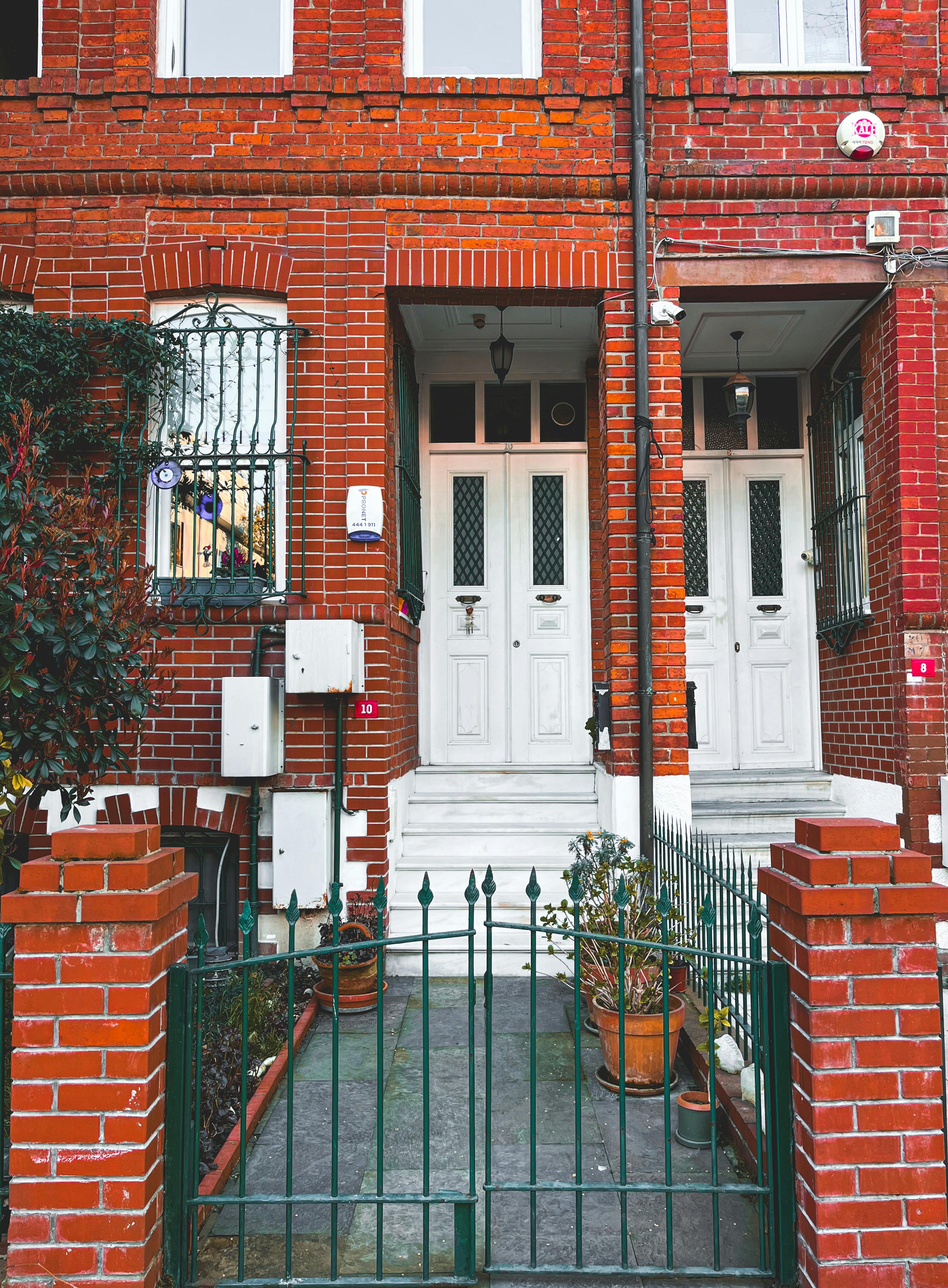
Regional housing profile
What Prince George's County's Housing Tells Us About Its Mold
Local moisture sources
Where the Water Comes From in Prince George's County
Mold follows moisture. These are the most common water-entry sources we find in homes across Prince George's County — and what each one means for the mold it produces.
| Moisture source | What it does locally |
|---|---|
| Aging postwar foundations | 1940s–60s block and poured foundations in College Park and Hyattsville have decades of settling; cracks and porous block wick groundwater. |
| Flat clay-lot drainage | PG County's flat clay lots drain poorly; water pools against foundations and seeps into basements after storms. |
| Long humid summers | Extended humid season keeps crawlspaces and basements damp for months, sustaining mold on wood framing and finishes. |
| Anacostia/Patuxent water tables | Homes near the Anacostia and Patuxent Rivers sit on high water tables; basement and crawlspace moisture is chronic. |
Town-by-town
Mold Issues in the Towns We Serve Across Prince George's County
College Park & Hyattsville
Postwar Cape Cods and ranchers on aging block foundations; seepage and humidity drive basement mold.
Bowie
1960s–70s split-levels and ranchers on clay; finished-basement condensation and sump failures.
Upper Marlboro
Mix of older and newer homes; high water tables and flat-lot drainage produce crawlspace and basement mold.
Greenbelt
Historic planned community with older housing; aging foundations and humid summers sustain mold.
Laurel (PG portion)
Older housing near the Patuxent; high water table and crawlspace humidity.
Our services
How We Help Homeowners in Prince George's County
Prince George's County
Request Your Prince George's County Mold Assessment
Tell us what you're seeing in your home and we'll take it from there.
Mold in Prince George's County — Frequently Asked Questions
These communities are full of 1940s–60s Cape Cods and ranchers on aging block foundations. Decades of settling have opened cracks, and the porous block wicks groundwater. Combined with long humid summers and flat clay lots that drain poorly, these basements stay damp enough to grow mold for much of the year.
Very. Many PG County homes sit on crawlspaces over high water tables near the Anacostia and Patuxent, and the long humid season keeps those crawlspaces damp for months. Mold grows on the floor joists above, out of sight, and travels upstairs through the living space. Encapsulation is the standard fix.
Bowie's 1960s–70s split-levels on clay lots commonly take on water through foundation seepage, and finished lower levels trap that moisture behind drywall. A musty smell almost always means moisture is entering and mold is growing behind the finish. An assessment finds the entry point.
Mold in Prince George's County won't wait.
Wherever you are in the county, the first step is finding the moisture source. Request your assessment today.
Request Your Assessment