Frederick County blends historic stone-foundation homes in downtown Frederick, Middletown, and Brunswick with fast-growing modern developments in Urbana and along the I-270 corridor. The county's limestone geology channels groundwater through the bedrock, and older homes on stone foundations wick that moisture continuously. Newer developments sit on clay lots with the familiar seepage and drainage issues, while the western, more rural reaches have farmhouses on wells and high water tables.
Service Area · Frederick County, MD
Rolling Hills, Historic Stone, and a Limestone Water Table
Frederick County's geography sets it apart. The rolling hills and limestone geology mean water moves through rock and soil differently here than in the coastal counties. Historic downtown Frederick and Middletown are full of older homes on stone foundations, while fast-growing Urbana adds modern basements on clay. The limestone bedrock holds and channels groundwater in ways that surprise homeowners, and the older stone foundations wick it steadily into basements.
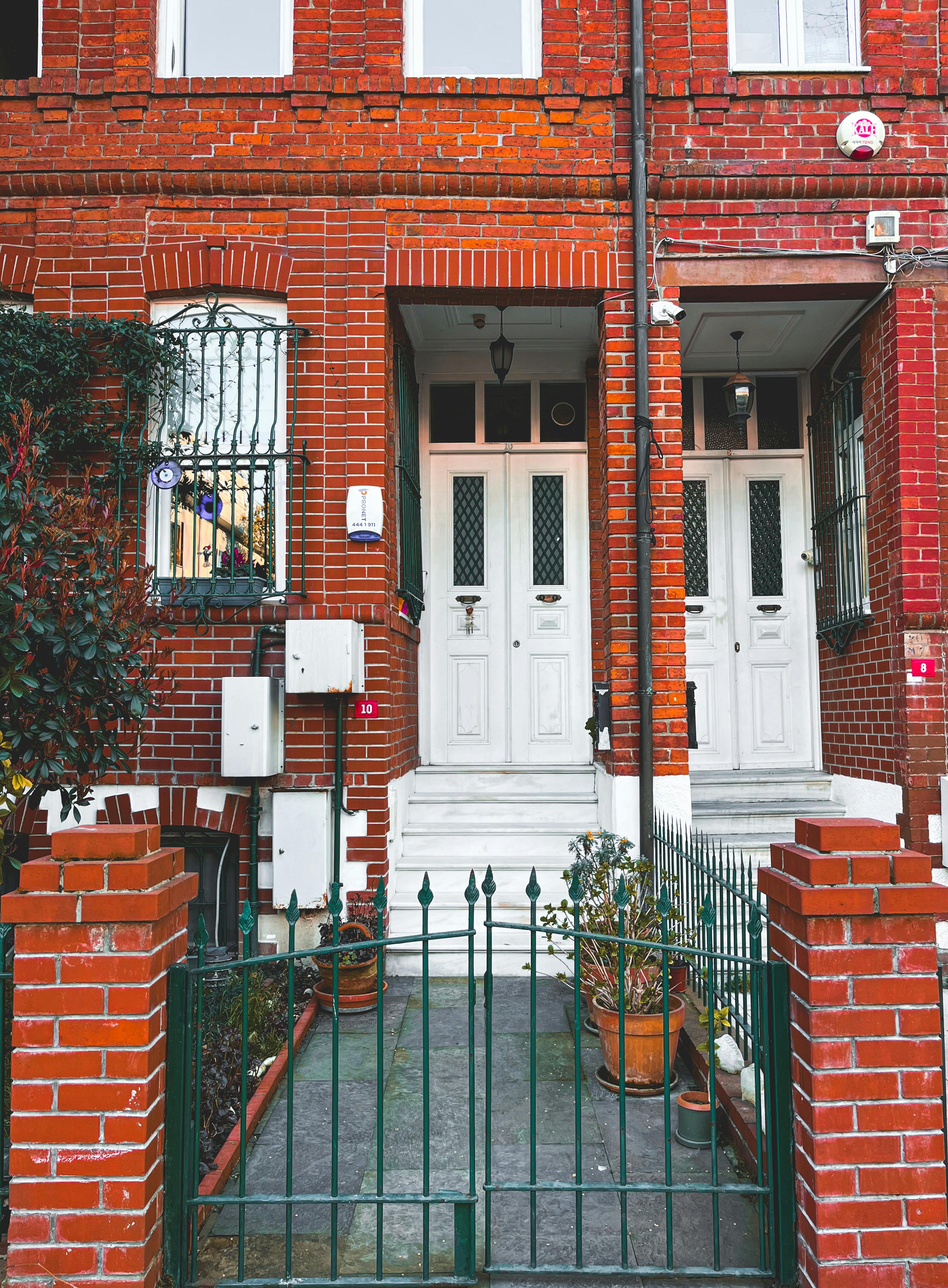
Regional housing profile
What Frederick County's Housing Tells Us About Its Mold
Local moisture sources
Where the Water Comes From in Frederick County
Mold follows moisture. These are the most common water-entry sources we find in homes across Frederick County — and what each one means for the mold it produces.
| Moisture source | What it does locally |
|---|---|
| Limestone groundwater channels | Frederick's limestone bedrock channels groundwater in unpredictable paths, surfacing as basement seepage far from any visible water source. |
| Historic stone foundations | Downtown Frederick and Middletown homes on fieldstone foundations wick groundwater continuously, keeping basement walls damp. |
| Urbana clay-lot seepage | Fast-growing developments in Urbana sit on compacted clay; foundation seepage and sump failures feed finished-basement mold. |
| Rural well water tables | Western Frederick farmhouses on wells and high water tables see steady crawlspace and basement humidity. |
Town-by-town
Mold Issues in the Towns We Serve Across Frederick County
Frederick (city)
Historic downtown homes on stone foundations; limestone groundwater and wicking drive basement mold.
Urbana
Fast-growing modern development on clay; finished basements with seepage and sump-failure mold.
Middletown
Older valley homes on stone foundations; steady groundwater wicking into basements.
Brunswick
River-town housing near the Potomac; high water table and older foundations produce basement and crawlspace mold.
Walkersville & Thurmont
Rural northern county; wells, high water tables, and stone foundations drive steady moisture.
Our services
How We Help Homeowners in Frederick County
Frederick County
Request Your Frederick County Mold Assessment
Tell us what you're seeing in your home and we'll take it from there.
Mold in Frederick County — Frequently Asked Questions
Frederick's limestone bedrock channels groundwater through the rock itself, so water can surface in your basement from sources far away and not tied to the day's rain. This is why stone-foundation homes downtown often feel damp regardless of weather — the water moves underground through the limestone.
Yes. Urbana's developments sit on compacted clay with young, still-settling foundations. Finished basements in these homes trap seepage behind drywall, and sump pump failures during storms are a common trigger. The fix is the same moisture-first approach, applied to modern construction.
Absolutely. Stone foundations wick water, but interior drainage, a proper sump system, dehumidification, and keeping finish materials off the stone so it can dry make these historic basements comfortable and mold-free. Many of Frederick County's oldest homes are our most rewarding projects.
Mold in Frederick County won't wait.
Wherever you are in the county, the first step is finding the moisture source. Request your assessment today.
Request Your Assessment