Harford County's housing ranges from fast-growing new construction in the Bel Air and Abingdon corridors to older housing in Aberdeen, Edgewood, and Havre de Grace near the bay. New developments often sit on red clay lots with immature drainage, while the older communities near the water have block foundations and crawlspaces exposed to coastal humidity. The mix produces two distinct mold profiles within one county.
Service Area · Harford County, MD
New Developments on Red Clay, Older Homes Near the Bay
Harford County is growing fast, and that growth has a mold side. New developments around Bel Air and Abingdon were built on the county's red clay, where poor lot drainage pushes water against fresh foundations that have not yet settled. At the same time, older housing near the Chesapeake in Havre de Grace and Aberdeen deals with the same coastal humidity as Anne Arundel. Both patterns are predictable, and both respond to a moisture-first approach.
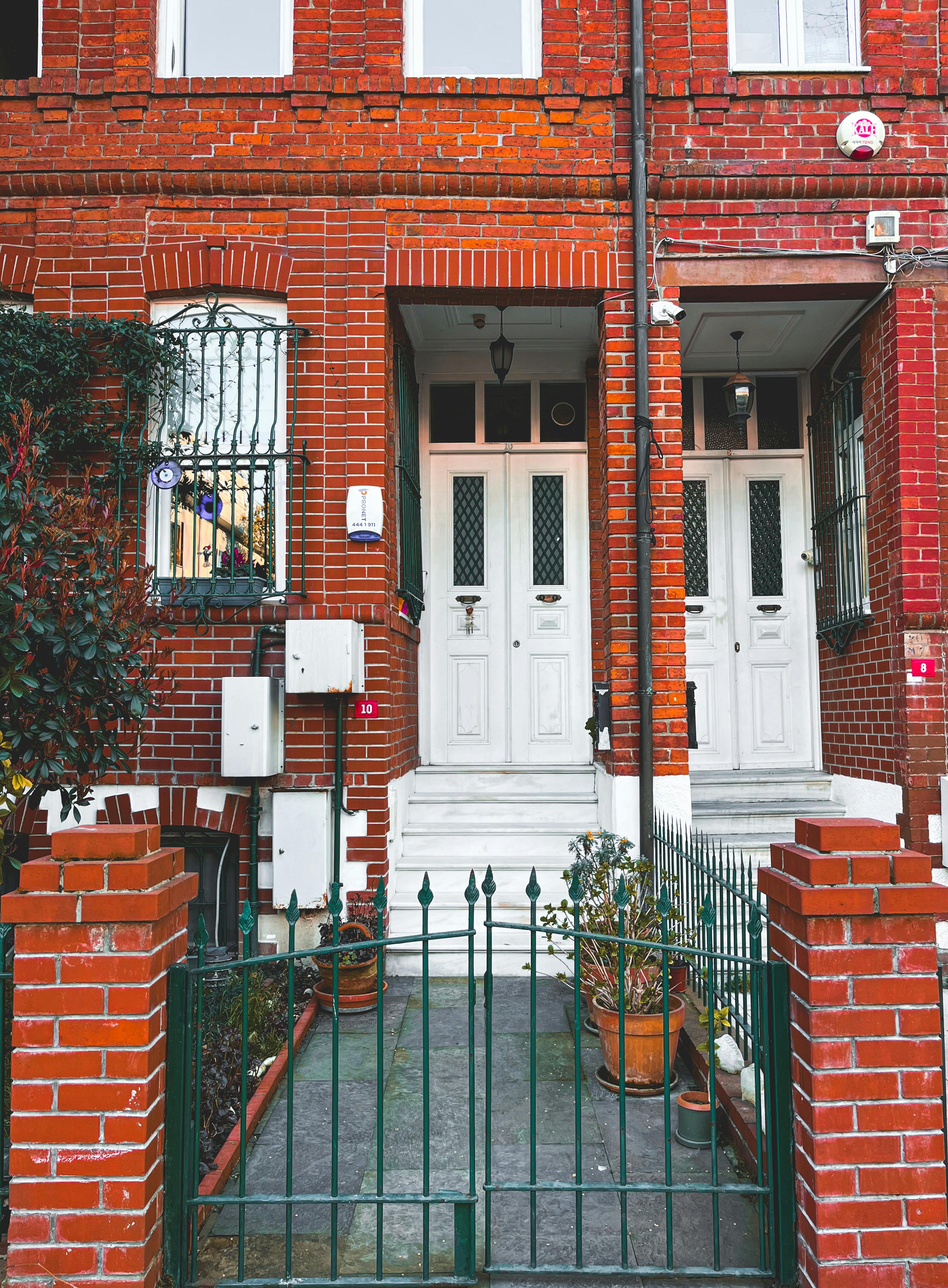
Regional housing profile
What Harford County's Housing Tells Us About Its Mold
Local moisture sources
Where the Water Comes From in Harford County
Mold follows moisture. These are the most common water-entry sources we find in homes across Harford County — and what each one means for the mold it produces.
| Moisture source | What it does locally |
|---|---|
| Red clay lot drainage | New Harford developments on red clay have poor-established drainage; water pools against fresh foundations and seeps into basements. |
| New-construction settling | Young foundations in Bel Air and Abingdon have not fully settled; hairline cracks let groundwater enter during wet seasons. |
| Coastal humidity (Aberdeen/Havre de Grace) | Older homes near the bay contend with sustained humidity in crawlspaces and basements close to the water table. |
| Crawlspace ground moisture | Edgewood and Joppatowne homes on crawlspaces over damp ground grow mold on floor joists from sustained humidity. |
Town-by-town
Mold Issues in the Towns We Serve Across Harford County
Bel Air
Fast-growing new developments on red clay; lot drainage and settling foundations drive basement seepage and mold.
Aberdeen
Older housing near the bay; coastal humidity and high water table affect basements and crawlspaces.
Havre de Grace
Historic homes at the mouth of the Susquehanna; stone foundations and waterfront humidity produce recurring mold.
Edgewood & Joppatowne
Crawlspaces over damp ground; condensation on joists grows hidden mold.
Abingdon
New construction on clay lots; poor drainage pushes water against young foundations.
Our services
How We Help Homeowners in Harford County
Harford County
Request Your Harford County Mold Assessment
Tell us what you're seeing in your home and we'll take it from there.
Mold in Harford County — Frequently Asked Questions
Bel Air's newer homes were built on red clay lots where the drainage has not matured. Water pools against foundations that are still settling, and hairline cracks let groundwater seep in. Finished basements then trap that moisture behind drywall, where mold grows out of sight.
Yes. These older communities sit close to the water table and deal with sustained coastal humidity. Crawlspaces and basements here need active humidity control and, often, encapsulation to prevent recurring mold — the same approach that works in Anne Arundel's waterfront homes.
It is common but not something to ignore. New homes on clay lots often take on water before the yard, drainage, and foundation fully settle. A musty smell means moisture is entering and mold is likely growing behind finishes. An assessment finds the entry point before the damage spreads.
Mold in Harford County won't wait.
Wherever you are in the county, the first step is finding the moisture source. Request your assessment today.
Request Your Assessment